The Rain Is Not Bad Luck, It's the Climate
I booked my Stavanger trip in March, for late July, with the kind of confidence that only comes from never having been to Norway’s west coast before. Scandinavian summer, I told myself. Long days, mild air, maybe a light cardigan for the evenings. I packed two pairs of shorts, a handful of t-shirts, a thin rain jacket bought years earlier for a drizzly weekend somewhere else, and one sweater as a concession to caution. I felt prepared. I was not.
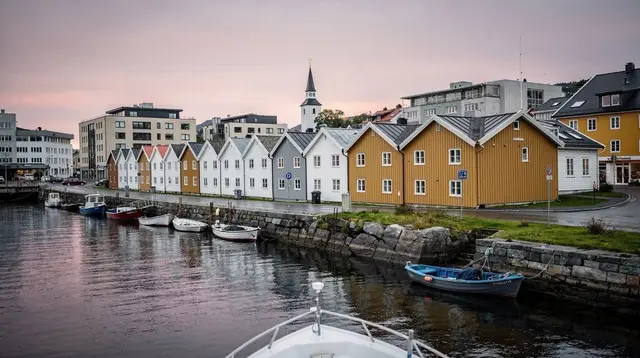
The rain arrived on my first full day, and it did not arrive politely. It came in sideways, pushed by a wind off the North Sea that turned my thin jacket into a wet second skin within twenty minutes of walking from my hotel toward Vågen harbour. It was cold in a way that surprised me more than the rain itself, a damp chill that got into my hands and stayed there. I remember standing under the eaves of a building near Gamle Stavanger, watching the white wooden houses blur behind sheets of water, thinking that I had simply picked the wrong week.
I hadn’t. That’s the whole point of this piece, and it took me the rest of the trip to actually accept it.
The numbers I should have checked first
Stavanger receives somewhere between 1,180 and 1,250mm of rain a year. For comparison, that’s meaningfully wetter than London, wetter than most of the rest of Norway, and in the same range as places people describe, correctly, as rainforest-adjacent climates. This isn’t a quirk of one unlucky July. It’s the baseline.
The city sits exposed on the southwestern coast at just under 59 degrees north, directly in the path of Atlantic weather systems that roll in off the sea with little to slow them down. Summers stay cool, with July averaging around 16 to 17 degrees Celsius, and winters stay surprisingly mild for the latitude, with January hovering around 1 to 2 degrees. What ties both seasons together is the water falling out of the sky, month after month, without a real dry season to plan around.
I’d read, vaguely, that Norway could be rainy. What I hadn’t internalized was that this particular stretch of coast is rainy in the specific, structural sense: an oceanic climate where precipitation is distributed across the calendar rather than concentrated in a season you could dodge. There’s a page on this site that breaks the year down month by month if you want the detail, and I’d genuinely recommend reading it before you pack, but the short version is that no month is reliably dry. You are choosing between shades of wet, not between wet and dry.
What the rain actually does to a trip
Here is what a rainy day meant, practically, once I stopped resisting it. A morning walk down Ovre Holmegate, the street painted in bright colours specifically because grey skies are so common here, hits differently in the rain than in a postcard photo, but it still works. The colours cut through the grey rather than competing with sunshine. A visit to Stavanger Cathedral, consecrated around 1125 and still standing without a major rebuild, doesn’t care what the weather is doing outside its walls. The Norwegian Petroleum Museum is, obviously, indoors.
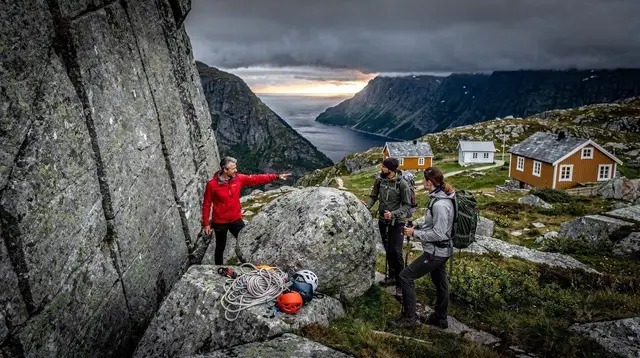
What rain does affect is anything outdoors and exposed, and Stavanger’s biggest draws are exactly that. A hike toward Preikestolen stays open in the rain, and the trail itself doesn’t become dangerous so much as slower and muddier, though the view from the plateau over the Lysefjord can vanish into cloud entirely. I did that hike on my third day, in a proper jacket bought that morning from a shop near the harbour, and reached the top to see essentially nothing but grey. It was still, oddly, one of my favourite moments of the trip. There’s a specific guide on hiking there in the rain that would have saved me some guessing.
The one place I’d genuinely push back a wet-weather plan is anything toward Kjeragbolten. The chained sections on that route get slick, the exposure is real, and this isn’t a hike to gamble on when the rock is wet. I moved that one to a clearer afternoon later in the trip, and it was the right call.
Gear over calendar
If I could redo the packing list, I would throw out the search for a “dry week” entirely and spend that energy on a genuinely waterproof shell jacket instead of a water-resistant one, because the difference matters after the first hour outside. I’d bring a warm layer to go under it, since Stavanger’s rain is cold-wet rather than warm-wet even in July. I’d trade the umbrella idea for waterproof shoes, because wind here treats umbrellas as a joke. There’s a fuller packing rundown for hiking in Rogaland if you want a checklist rather than my improvised version.
The bigger shift, though, was mental rather than material. I stopped checking the forecast each morning hoping for a green icon and started building each day with a rain-or-shine option in mind. A Lysefjord cruise past Preikestolen works in a downpour, arguably better, since low cloud over the cliffs looks more dramatic than a flat blue sky ever did in my photos. I ended up taking the Lysefjorden cruise and Preikestolen hike combo specifically because it gave me the water view as a backup if the plateau was clouded in, and it turned out to be the better decision either way.
On a different, drier afternoon I also went out on the boat trip to Preikestolen from Forsand, and on the one genuinely calm evening of the week I tried the SUP and sauna paddle tour on the fjord, which felt like the local answer to the whole climate: get wet on your own terms, then get warm again on purpose.
The attitude, not the window
None of this means the rain doesn’t matter, or that you shouldn’t check a forecast at all. It means the forecast should shape which activity you do on a given day, not whether you come at all or which week you book. There is no secret dry month hiding in the climate that travel blogs simply forgot to mention.
If you want a rain-proof framework rather than a single day’s improvisation, there’s a full rain-proof Stavanger itinerary built around exactly this problem, and it’s more useful than any date-picking exercise. I’d also read what Stavanger genuinely is and isn’t before you go, because a lot of the disappointment I’ve seen from other travellers here traces back to expectations set by sunny photos rather than the actual coastal climate.
My second trip, the following spring, I packed one real rain jacket and no cardigan at all. I checked the travel tips page for a packing baseline, treated a dry afternoon as a gift rather than a plan, and had, without exaggeration, a better week than the first time, rain included. The city hadn’t changed. I had.
Questions about the rain in Stavanger
Is there a dry season in Stavanger?
Not really. Rainfall is spread fairly evenly across the year, with roughly 1,180-1,250mm falling in total. Some months tip slightly wetter than others, but no month is reliably dry, so planning around a supposed dry window will disappoint you.
What should I actually pack for the rain?
A genuinely waterproof shell jacket with a hood, not a water-resistant one, plus a warm mid-layer underneath, because Stavanger’s rain often arrives on wind and stays cool even in July. Waterproof trail shoes or boots matter more than an umbrella, which the wind will just turn inside out.
Will rain ruin a Lysefjord cruise or Preikestolen hike?
It changes the experience rather than ruining it. A cruise into the Lysefjord still shows you the cliffs and waterfalls in rain, often with dramatic low cloud, and the Preikestolen trail stays open, just muddier and slower. What suffers most is visibility from the plateau itself on a low-cloud day.
Does rain affect Kjeragbolten or the Lysebotn road?
Yes, more than it affects Preikestolen. The chained sections up to Kjeragbolten get slick and genuinely more dangerous in wet weather, and heavy rain can affect conditions on the narrow Lysebotn road. This is a hike to postpone rather than push through in bad weather.
Is Stavanger’s rain worse than the rest of Norway?
It’s among the wettest parts of the country. Stavanger sits on an exposed stretch of the southwestern coast that catches Atlantic weather systems directly, which is part of why the region built its reputation on oil rigs and rain gear rather than blue-sky tourism photos.
Should I reschedule my trip to avoid the rain?
Chasing a drier week rarely pays off here, since rain is frequent in every season. It’s more useful to keep your itinerary flexible day to day, swap an exposed hike for a covered attraction when a front rolls through, and treat good weather as a bonus rather than an assumption.
tours.Seasons
Verified deep-linked GetYourGuide tours. Book through these links and we earn a small commission at no cost to you.
GetYourGuide does not provide a product photo for this activity — the image shows the meeting point, photographed by us.