Sailing the Lysefjord
Can you sail the Lysefjord, and how is it different from a cruise?
Yes, mostly through a private charter, sailing club or small operator rather than a scheduled tourist boat. Unlike a motor cruise or RIB safari, a sailing trip moves at the pace of the day's wind, so timing, route and even whether you sail at all can change on short notice.
What Sailing Here Actually Means
Most people who come to see the Lysefjord end up on a motor-powered boat — a scheduled cruise, a fast RIB, or a car ferry that happens to run the length of the water. Sailing is a different, smaller category, and it is worth separating from the start. A sailboat has no engine driving it forward (or only a small auxiliary one for calm patches and harbour manoeuvres), so its speed, its route and sometimes whether it goes out at all depend on the wind that particular day. That single fact shapes everything else in this guide.
This is not a page about a specific bookable “Lysefjord sailing tour” with a fixed departure time, because that product barely exists here in the form tourists usually expect. What exists is chartering a sailboat with a skipper, joining a sailing club’s occasional guest outings from Stavanger or nearby Forsand, or — less commonly — finding one of a handful of small operators who run sailing trips alongside their main motor-cruise business. It is a genuinely niche way to see the fjord, aimed at people who want the experience of sailing itself, not simply a boat that happens to reach the same viewpoints as everyone else.
The Lysefjord Under Sail, Not Under Power
The Lysefjord runs about 42 km inland from the sea near Stavanger to Lysebotn at its far end, with rock walls that climb past 1,000 m in places and water up to roughly 400 m deep. Under engine power, a boat can run this length, pause under Preikestolen, and return within a few hours on a schedule printed in advance. Under sail, the same stretch of water becomes something closer to what it would have felt like before diesel engines existed: slower, quieter, and genuinely dependent on what the wind is doing that morning.
Wind inside a narrow fjord flanked by cliffs over 1,000 m high does not behave the way it does on open water. It can funnel, gust unpredictably around headlands, die away in the lee of a cliff, or pick up suddenly where the fjord opens out. Experienced local skippers know these patterns, which is part of why chartering with someone who sails the Lysefjord regularly matters more here than it might on a more open stretch of coast. It also means that even a well-planned sailing day can look different by the time you are actually on the water.
How Sailing Differs From a Cruise or a RIB Safari
It helps to see the three main ways of getting onto the Lysefjord side by side, since they suit different trips and different people.
| Sailboat | Motor cruise | RIB safari | |
|---|---|---|---|
| Power source | Wind (engine as backup) | Diesel engine | Outboard engine |
| Typical group | Small, often private charter | Larger, scheduled departures | Small, fast group |
| Schedule reliability | Wind-dependent, flexible window | Fixed departure and return time | Fixed departure, short duration |
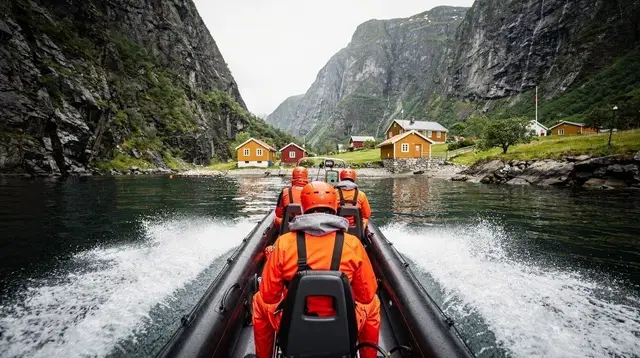
| Pace | Slow, quiet | Steady, moderate | Fast, exposed to spray and wind |
| Best suited to | People who want the sailing experience itself | People who want a guaranteed, relaxed overview | People who want speed and closer passes at cliffs |
| Booking style | Charter, club, or small operator | Standard scheduled ticket | Standard scheduled ticket |
If a predictable itinerary matters more than the method of propulsion, a scheduled option is the better fit — something like a guided two-hour cruise from Stavanger past Pulpit Rock or a shorter boat trip to Preikestolen from Forsand runs on a fixed timetable regardless of wind. Sailing asks you to accept the opposite trade: less certainty about timing and route, in exchange for a quieter, wind-powered way of moving through the same landscape.
Who a Sailing Trip on the Lysefjord Actually Suits
Sailing here is not the default way to see the fjord, and it is worth being honest about who it fits. It suits people who already enjoy sailing and want to do it somewhere as dramatic as the Lysefjord, people travelling with enough flexibility in their schedule to accept a trip that might shift by a few hours or get postponed, and small groups or couples looking for a private, unhurried experience rather than a shared deck of passengers on a fixed run.
It suits less well anyone on a tight one-day itinerary who needs to be back in Stavanger by a set time, anyone prone to seasickness on a heeling boat rather than a stable motor vessel, and anyone whose main goal is simply to tick off a close view of Preikestolen or reach Kjeragbolten on a schedule — both of those goals are served more reliably by a cruise, a RIB, or the hiking trails themselves.
Families with young children and travellers with limited mobility should also weigh this carefully: a sailboat’s deck, tiller and lines are a different physical environment from a cruise boat’s open saloon, and a private charter usually expects passengers to be reasonably steady on their feet.
Finding a Sailing Charter or Club
Because sailing on the Lysefjord is not sold as a packaged tourist product the way cruises and RIB trips are, finding it takes a bit more legwork. Local sailing clubs based around Stavanger’s marinas occasionally host guest sails or open days, and some private skippers offer chartered day sails on the fjord for a set fee per boat rather than per person.
Word of mouth, marina noticeboards, and direct contact with Stavanger-area sailing clubs tend to turn up more than a general search for “Lysefjord tours,” which mostly surfaces motor cruises and RIB safaris. If chartering falls through or the wind forecast looks unworkable, a guided kayaking trip on the Lysefjord offers a comparably slow, human-powered way to be on the water that does not depend on wind at all — worth keeping as a backup plan for the same trip dates.
Departure points worth asking about are Stavanger’s own harbour and marinas, and Forsand further into the fjord, which is also the usual starting point for shorter motor-boat trips to Preikestolen and sits closer to the fjord’s more dramatic middle stretch.
What You’ll See — And What Sailing Doesn’t Guarantee
A sailing route on the Lysefjord can take in much of what a cruise shows: the cliffs beneath Preikestolen, the narrowing walls further in, and — wind and time allowing — glimpses toward Flørli with its 4,444-step wooden staircase, reportedly the longest of its kind in the world.
What sailing does not guarantee is a close, timed pass beneath the plateau, or reaching as far as Lysebotn at the fjord’s inner end, which a scheduled cruise or the Lysebotn road itself can reach far more reliably. A skipper sailing for the day is working with the wind that exists, not the itinerary a passenger might have imagined in advance, and a shorter or altered route is a normal outcome, not a failure of the trip.
This is the honest trade at the heart of sailing here: you get a quieter, more physically engaged way of moving through one of Norway’s most dramatic fjords, at the cost of the fixed, predictable schedule that a motor cruise or RIB safari can promise. Neither is more “correct” — they simply serve different expectations, and confusing the two before booking is the most common way to end up disappointed.
When to Sail the Lysefjord
Roughly May through September gives the most workable combination of long daylight, warmer air, and wind patterns that are more often sailable, though never assured on any single day. Outside that window, the fjord is colder, days are shorter, and finding a willing skipper or club outing becomes considerably harder — this is also broadly the season during which the road to Lysebotn, the access point for Kjerag, stays open, which matters if a sailing day is being combined with other Ryfylke plans.
Even within the main season, checking a real-time wind forecast for the fjord in the days before departure is worth doing, and asking a prospective skipper or club directly how they handle low-wind or high-wind days is a reasonable, expected question — not an imposition.
Practical Notes Before You Book
A few points are worth settling before committing to a sailing trip on the Lysefjord.
| Question to ask | Why it matters |
|---|---|
| Is this a fixed-time trip or a flexible weather window? | Sailing trips are commonly booked as a window, not a guaranteed slot |
| What happens if there’s no usable wind? | Some skippers motor part of the route; others shorten or reschedule |
| Is a skipper included, or do I need sailing experience? | Charters usually include a skipper; club berths may not |
| How many hours is realistic for the route planned? | A wind-dependent route can run shorter or longer than expected |
| What’s the cancellation or rescheduling policy? | Weather-dependent activities need clear terms in writing |
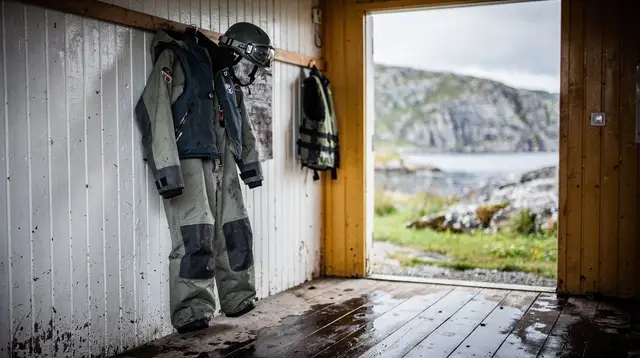
Dress as you would for any exposed boat trip on this coast: layers, a windproof and waterproof outer shell, and closed shoes with grip, since a sailboat’s deck can be wetter and less stable underfoot than a cruise boat’s. Norway is not part of the eurozone, so budget in Norwegian kroner rather than euros, and confirm upfront whether a charter price is per person or for the whole boat — the difference matters more here than on a standard scheduled ticket.
If sailing does not work out for your dates, the fjord itself is not going anywhere, and the more scheduled alternatives remain the dependable fallback: guided hikes in the area around Preikestolen give a from-the-clifftop view on a fixed itinerary that owes nothing to wind at all.
Sailing the Lysefjord: Frequently Asked Questions
Can you sail the Lysefjord as a tourist without owning a boat?
Yes, but it takes more looking than booking a standard fjord cruise. Options include chartering a sailboat with a skipper, joining a sailing club’s guest trips out of Stavanger or Forsand, or finding one of the small number of operators who occasionally run sailing excursions on the fjord. It is a niche activity here, not a queue-up-and-go one.
How is sailing different from a Lysefjord cruise or RIB safari?
A cruise boat and a RIB both run on engines, follow a fixed route and return at a published time. A sailboat depends on wind direction and strength, so its route, speed and duration can all shift on the day. Sailing is quieter and slower, but it trades away the predictability that makes cruises and RIBs easy to plan around.
Do sailing trips on the Lysefjord run to a fixed schedule?
Rarely in the way a cruise timetable does. Charters are usually booked for a window of time rather than a guaranteed itinerary, and a skipper may adjust the plan, shorten the route, or occasionally cancel if the wind is unworkable. Build slack into your day if a sailing trip is part of it.
Is sailing a good way to see Preikestolen and Kjerag up close?
You can see Preikestolen’s cliff face from the water on a sailing route that follows the fjord toward Forsand, much as a cruise does, but sailing is not built for a fast, guaranteed pass close to the rock on a set schedule. If seeing Preikestolen from below on a fixed timetable is the priority, a scheduled cruise or RIB is the more reliable choice.
What experience do you need to join a sailing trip?
For a chartered trip with a skipper, none — you are a passenger, and the skipper handles the boat. For a club trip or a berth on someone else’s boat, some sailing knowledge is often expected or at least welcomed, since crew are sometimes asked to help. Ask directly what is expected before you book.
When is the best time of year to sail the Lysefjord?
Roughly May to September, when daylight is long and winds are more likely to be manageable, though never guaranteed. Outside that window, shorter days, colder water and less predictable wind make sailing trips scarcer and harder to plan, and the Lysebotn road at the fjord’s far end closes for winter regardless.
What happens if there’s no wind on the day of a sailing trip?
A calm day can mean drifting slowly, motoring part of the route on an auxiliary engine, or a skipper cutting the trip short. This is the trade-off at the centre of sailing here: you gain quiet and a genuine feel for the fjord, but you give up the guaranteed pace of a motor-powered cruise.
tours.sailing
Verified deep-linked GetYourGuide tours. Book through these links and we earn a small commission at no cost to you.
GetYourGuide does not provide a product photo for this activity — the image shows the meeting point, photographed by us.