The Price of a Beer as a Measure of a Country
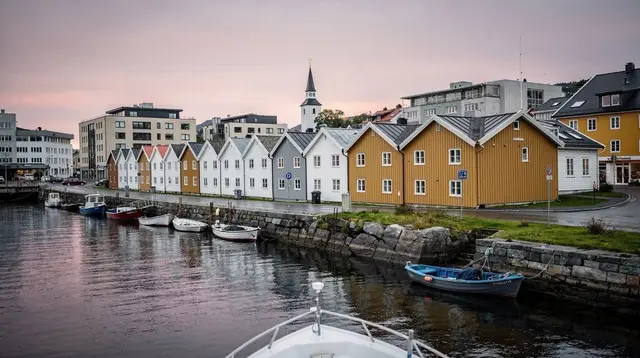
I did the math on a napkin at a hotel bar near Vågen harbour, on my first night in Stavanger, and I remember the exact feeling: not annoyance, more like recalibration. Two beers and a small plate of something I can no longer name had come to a sum that would have covered a full dinner for two back home. I hadn’t been reckless. I’d just ordered the way I order everywhere else. That was the mistake.
The moment the budget moved
I’d read, before flying in, that Norway runs expensive. Everyone says that about somewhere. You nod, you adjust ten or fifteen percent in your head, you move on. What I hadn’t done was let the number actually land before I started spending. So it landed at the bar instead, on a receipt, at nine in the evening, jet-lagged and still deciding whether Stavanger felt like a small Scandinavian city or a small Scandinavian city built on North Sea oil money that never quite trickled down to bar prices for visitors.
It’s the second one. I worked that out slowly over the following days, walking Gamle Stavanger’s white wooden lanes in the rain, but the bar receipt got there first. That first evening, I quietly rewrote the rest of the trip’s budget upward, and I’ve been glad ever since that I did it on day one rather than day four.
Why a beer is the right yardstick
I’m not going to turn this into a price list. There’s a page on this site built for exactly that, and prices move faster than an essay should try to keep up with — go check the Norway budget tool if you want current numbers broken down by category. What I want to defend here is smaller and, I think, more useful: a single drink, ordered the way you’d order it anywhere, is a better gut-check than a spreadsheet you read before you leave home.
A spreadsheet is abstract. A price list is something you skim and forget. But an actual bill, put down in front of you after an actual order, does something a table of numbers can’t: it forces a decision. Do I order the same way tomorrow, or not? That’s the real budget conversation, and it happens at a bar table, not in a planning app.
I’ve since come to think of it as a kind of national thermometer. If you land somewhere and a drink costs roughly what it costs in your own city, you can plan the rest of your trip the way you plan most European trips — loosely, with room to improvise. If the first drink costs meaningfully more, that’s not a one-off; it’s a signal about the whole cost structure of the country, and Norway sends that signal early and clearly. Food, drinks and organised excursions all sit well above what most visitors expect coming from elsewhere in Europe, and none of that is specific to hotel bars or tourist traps. It’s closer to a baseline.
The trap: thinking a cheaper hotel fixes it
Here’s the part I want to be blunt about, because I got this wrong before I got it right. My first instinct, after that bar bill, was to think: fine, I’ll book a simpler place to sleep and the trip evens out. It doesn’t. A hostel bed or a budget apartment brings down one line of the budget — accommodation — and leaves every other line exactly where it was. The coffee on Øvre Holmegate still costs what it costs. The lunch near the harbour still costs what it costs. A guided fjord excursion still costs what it costs, whether you’re sleeping in a design hotel or on someone’s sofa.
This matters because it’s the mistake I see people make in reverse, too: assuming that because they’re travelling cheaply elsewhere in Europe, the same instinct will carry over to Norway. It won’t, and Stavanger will not warn you gently. It will hand you a bill.
So the fix isn’t a cheaper room. It’s a mental reset that happens before you land, not after your third dinner. Decide, in advance, that your daily spend here needs a different baseline than Lisbon or Krakow or wherever your last trip was. Once you’ve made that adjustment, the rest of the planning gets much easier, because you’re not fighting your own expectations every time a bill arrives.
What actually helped
A few things changed how I spent the rest of the week, and none of them were about finding secretly cheap versions of expensive things — that search mostly wastes time in Norway. What helped was choosing a smaller number of things I actually wanted, and paying properly for those, rather than trying to do everything at a discount and feeling nickel-and-dimed the whole way through.
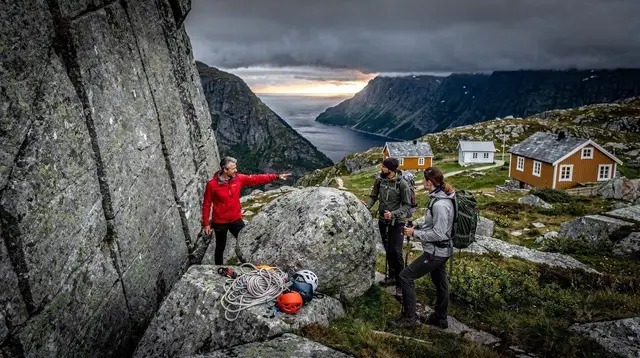
That applied to organised trips too. I booked a boat cruise on the Lysefjord combined with the Preikestolen hike instead of trying to piece together a cheaper DIY version with buses and a rental car, and I don’t regret the spend — it was one clear, well-run day rather than three cobbled-together half-days. Later in the trip I also did a guided paddle and sauna session out on the fjord, which cost real money and was worth every bit of it precisely because I’d already made peace with what things cost here.
If you’d rather reach Preikestolen by water without the hike, there’s also a boat trip out to Preikestolen from Forsand worth knowing about, and if you want company and route knowledge on the trail itself, locally guided hikes around Preikestolen are worth the cost too. None of these are the cheap option. They’re the honest one.
What this isn’t
To be clear about what I’m not arguing: this isn’t a case for avoiding Stavanger, or for treating it as unaffordable. It’s a case for arriving with the right number already in your head, so the shock lands once, quietly, before the trip, rather than every evening at the bar. Norway is not part of the eurozone, its currency is the krone, and none of the usual price instincts from euro-priced countries transfer cleanly — that’s worth knowing before your card statement does the explaining for you.
For the actual numbers — daily budgets, meal costs, what a coffee or a guided tour tends to run — the budget planning tool and the free things to do in Stavanger guide do that job properly. This piece was never meant to.
What it’s meant to do is save you the napkin math. Decide before you land that Stavanger runs at a different level than your last European trip, whatever that trip was. Once that’s settled, the rest of the planning — where to eat, what to book, how many days to stay — gets a lot less stressful, and a lot more honest.
Common questions about budgeting for a Stavanger trip
Is Stavanger really more expensive than other European cities?
Yes, consistently. Food, drink and organised tours in Norway run well above what most visitors from elsewhere in Europe are used to, and Stavanger is no exception within the country.
Does staying in cheaper accommodation lower the overall cost of a trip?
It reduces one line of the budget, but food, drinks and activities stay expensive regardless of where you sleep. A budget room does not bring the rest of the trip down to a cheaper country’s price level.
Can I use euros in Stavanger?
No. Norway is not in the eurozone or the European Union, and its currency is the Norwegian krone. Card payment is accepted almost everywhere, so carrying cash is rarely necessary.
Where can I find actual price numbers for a Stavanger trip?
This page is deliberately not a price list. For current figures on meals, drinks, transport and typical daily budgets, use the dedicated budget planning tool.
Is it worth paying for guided tours instead of doing things independently?
Often yes in this region, since the terrain and logistics around the Lysefjord and Preikestolen area reward local knowledge, and the price difference versus a DIY version is often smaller than expected once transport and time are counted.
How many days should I budget for, cost-wise?
That depends on what you want to see, not just money. The how many days do you need in Stavanger guide and the longer reflection on the same question both walk through the trade-offs.
What’s a realistic first move to avoid the shock I describe?
Before you land, mentally re-baseline your daily spending expectations upward, and look at what a full week actually costs in the week-in-Stavanger breakdown so the first bill doesn’t do the adjusting for you.
tours.Budget travel
Verified deep-linked GetYourGuide tours. Book through these links and we earn a small commission at no cost to you.
GetYourGuide does not provide a product photo for this activity — the image shows the meeting point, photographed by us.